
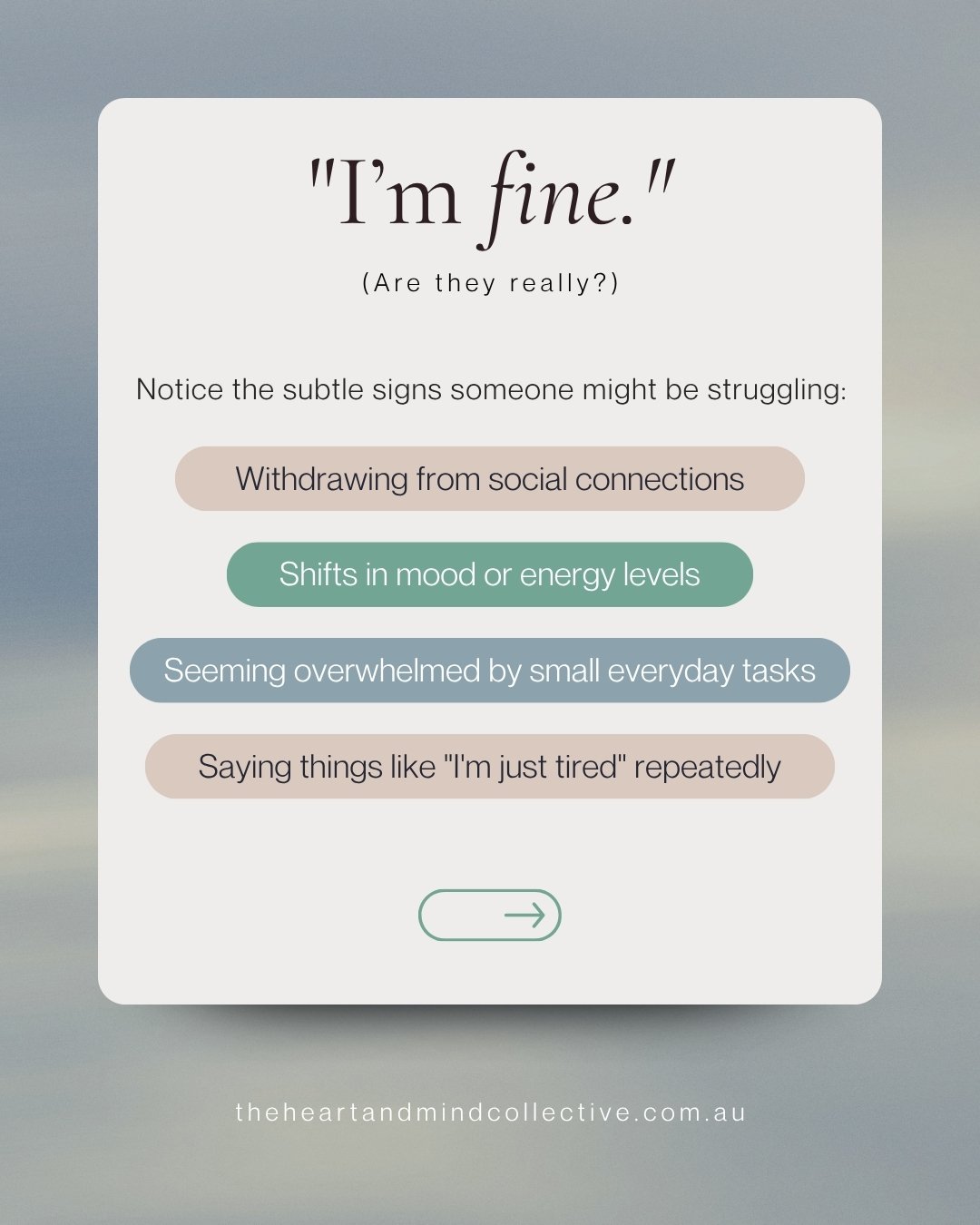
"I'm Fine": How to Have Conversations That Matter on R U OK? Day (and Every Day)
"How are you going?"
It’s a question we ask multiple times a day—in passing at the office, via text, or while making coffee. And almost automatically, the response is usually: "Good thanks, you?" or "Just busy!"
While casual check-ins keep our day moving, they often hide what’s really happening under the surface. Many people who are struggling with anxiety, depression, grief, or overwhelm become experts at masking their pain behind a polite smile.
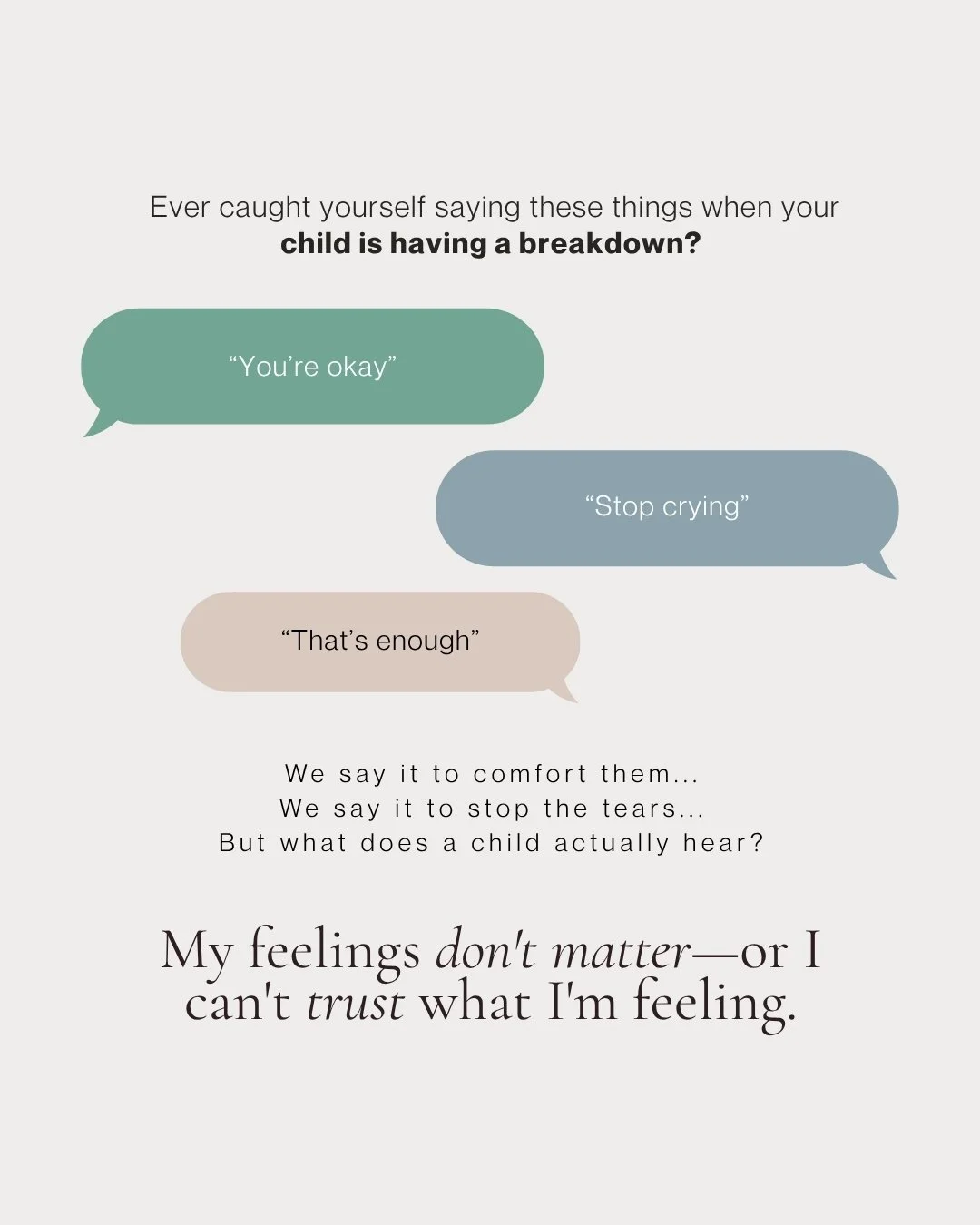
The Power of Validation: Why Acknowledging Your Child's Feelings Changes Everything
Imagine coming home after an incredibly stressful day at work, pouring your heart out to a partner or friend, and having them respond with:
“Oh, calm down! It’s not a big deal. You’re totally overreacting!”
Chances are, you wouldn't suddenly feel calm or happy. You would likely feel angry, misunderstood, or shut down.

"Am I Losing My Mind?" The Unspoken Mental Health Impact of Menopause
When most people think of perimenopause and menopause, physical symptoms immediately come to mind: hot flushes, changes in sleep, or physical discomfort.
Yet for many women and individuals going through this transition, the most challenging symptoms aren't physical at all. They are emotional, cognitive, and psychological.

"I Know I'm Safe, So Why Does My Body Still Panick?" Understanding EMDR Therapy
It’s one of the most frustrating experiences in human psychology: the disconnect between the mind and the body.
Logically, you know you are sitting safely in your home. You know the stressful event ended months or years ago. You know that phone call or unexpected sound isn't an actual threat.
Yet, within milliseconds, your heart is pounding, your jaw is clenched, and a wave of panic or anger rushes through your veins.

My ADHD Symptoms Became Obvious Only After School: Can Adult Responsibilities Bring Them to the Surface?
ADHD does not begin in adulthood, but its effects can become more noticeable when structure decreases and responsibilities increase. Work, university, household management, relationships and parenting can place greater demands on attention and executive functioning. An adult ADHD assessment considers current difficulties alongside developmental history to understand whether ADHD or another explanation may be contributing.

My Child Holds It Together at School but Falls Apart at Home: Could an Assessment Help Explain Why?
Some children appear settled and capable at school but become overwhelmed, emotional or exhausted once they return home. This difference can have many explanations, including attention, learning, anxiety, sensory demands or masking. A psychological assessment can help consider patterns across settings and clarify what may be contributing to a child’s difficulties.
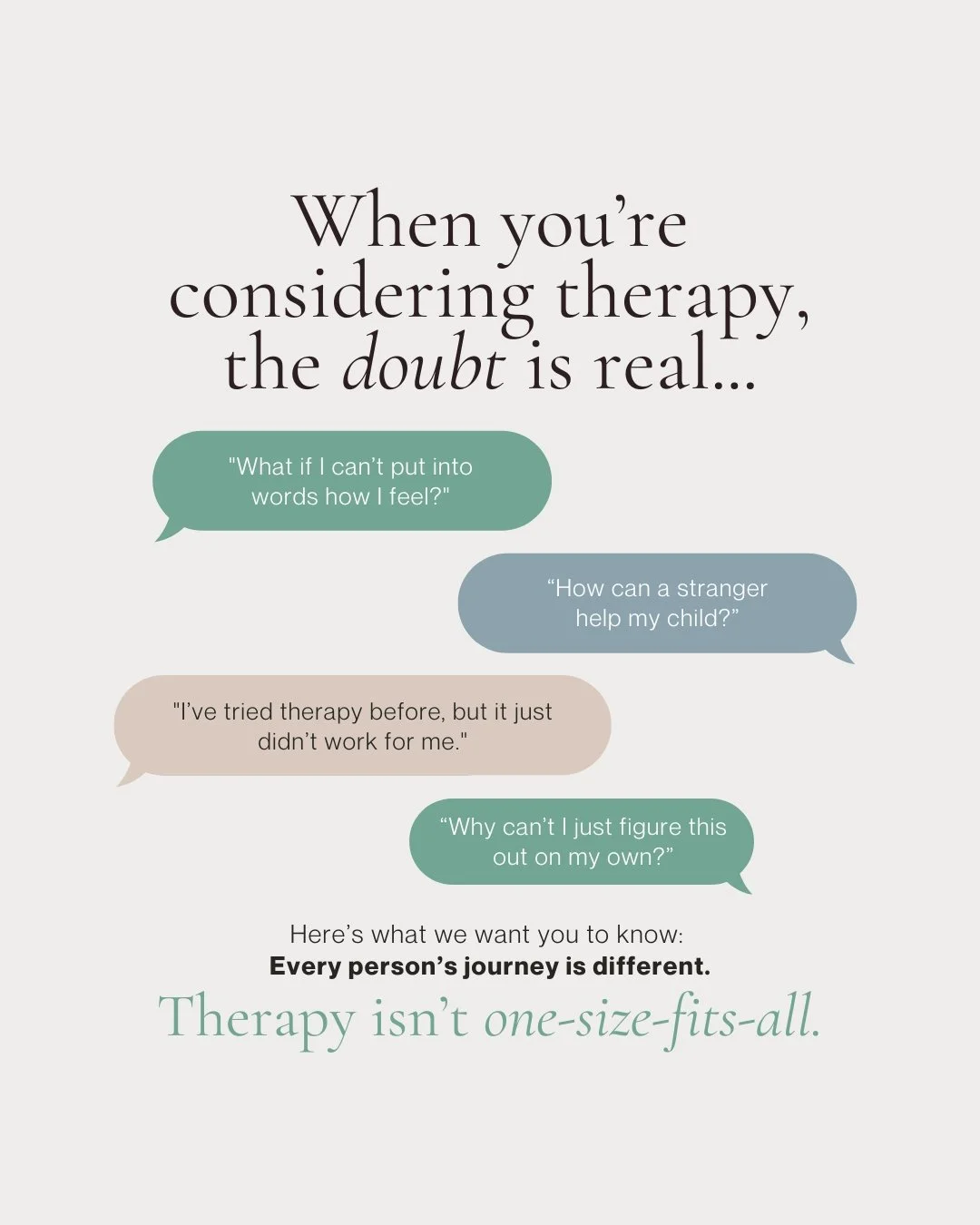
Beyond One-Size-Fits-All: Finding the Therapy Approach That Actually Works for You
When you decide to look for a therapist, the decision rarely comes out of nowhere. Usually, it comes after weeks, months, or even years of internal dialogue:
“Why can’t I just figure this out on my own?”
“What if I go to therapy and just sit there in uncomfortable silence?”
“I’ve tried talk therapy before and it didn't help—is there any point trying again?”
“How can a stranger help my child/my marriage when things feel so tangled?”
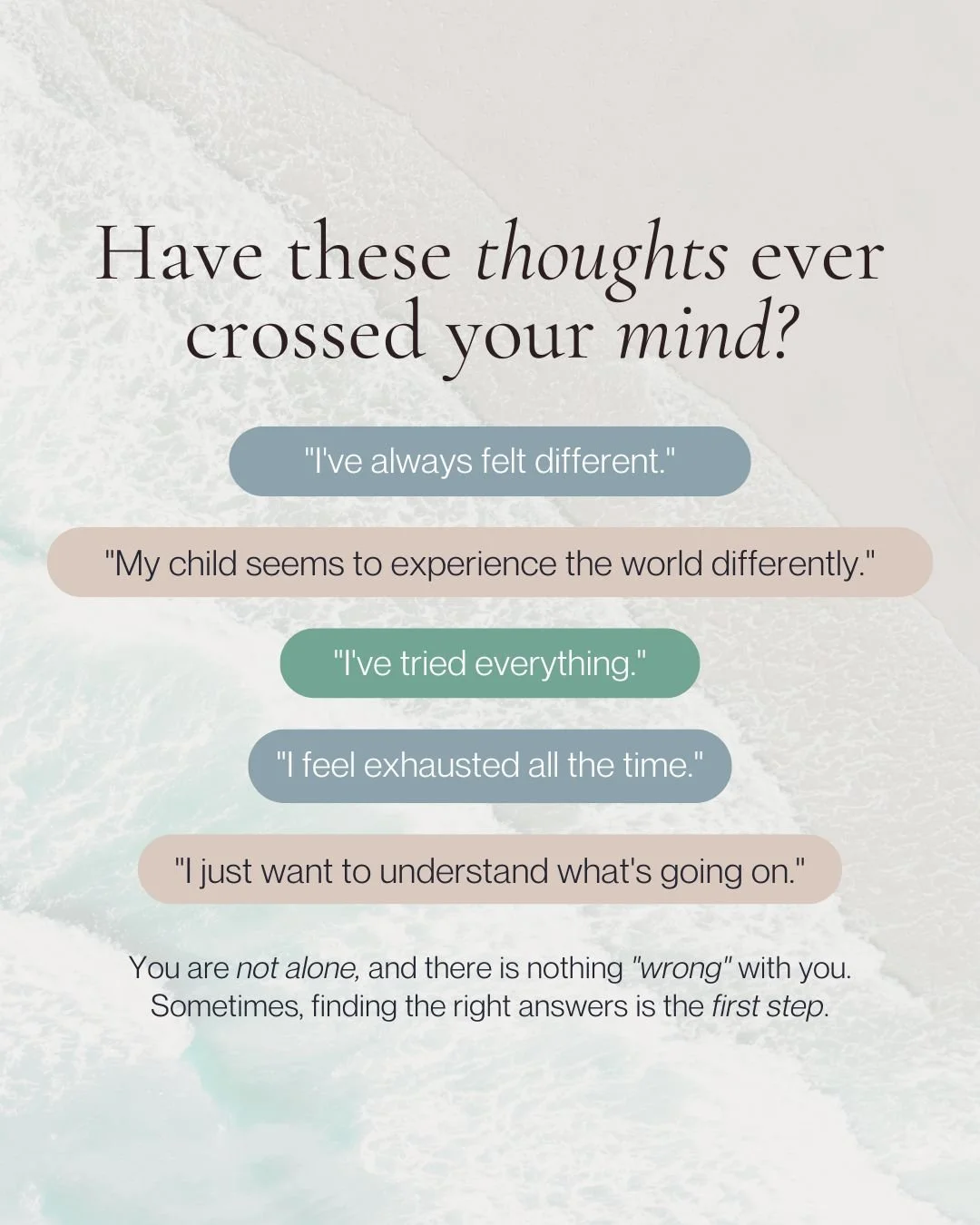
Finding Clarity Through Comprehensive Assessment
Have you ever caught yourself staring at a to-do list, feeling completely overwhelmed, and asking yourself:
“Why is everything so hard for me?”
“What is wrong with me?”
“Why do I feel so different from everyone else?”
If those thoughts sound familiar, we want you to know something right away: you are not alone, and there is nothing "wrong" with you.

NeurOptimal® Neurofeedback: A Gentle Way to Support Your Brain’s Natural Resilience
At The Heart and Mind Collective, we are always looking for ways to provide deeper, more effective support for our community. We know that mental health is not just about our thoughts; it is about the entire nervous system and its capacity to process, adapt, and remain resilient in the face of life’s stressors.
That is why we are so pleased to introduce NeurOptimal® Neurofeedback to our clinic.

What Should I Look for in a Psychologist Profile Before Booking?
When reviewing a psychologist’s profile, consider who they support, their areas of experience, therapeutic approaches, communication style and appointment options. Qualifications are important, but the right choice also depends on your goals and whether the clinician’s way of working feels suitable. A clinic can help with matching when you are uncertain.

I Don’t Want to Burden My Family: Is That a Reason to See a Psychologist?
Feeling reluctant to talk because you do not want to burden your family can leave you carrying difficult emotions alone. A psychologist provides a confidential setting where you can explore what is happening, understand your reactions and consider practical ways forward. You do not need to be in crisis or have a diagnosis before seeking support.

Finding the Right Support: Why Your Story Matters More Than a Diagnosis
When it comes to seeking mental health or therapeutic support, the process can often feel overwhelming. You might have already spent hours researching, reading through practitioner bios, or even speaking with various professionals, only to feel like your specific situation isn’t quite being heard.

When One Partner Wants Intimacy More Than the Other
Almost every couple will, at some point, find themselves out of sync sexually. One person reaches for closeness while the other is exhausted, distracted, touched-out, stressed, or simply not in the same headspace. It can feel personal very quickly: Am I still attractive? Are we okay? Is something wrong with me? But mismatched desire is one of the most common concerns brought into couple therapy, and it is rarely about one simple cause.

The Art of Un-Grip: Why White-Knuckling Your Life is Wearing You Out
We’ve all been there. You’re trying so hard to force a specific outcome—whether it’s making a relationship work, landing a particular job, or just trying to perfect your daily routine—that your jaw is permanently clenched, your shoulders are practically touching your ears, and your brain feels like it has 47 tabs open at the same time.
The Sandwich Generation Squeeze: How Mid-Life Pressures Trap Couples in Negative Cycles (and How to Break Free)
Couples in mid- and later life face many challenges. The “sandwich generation” supports not only the needs of elderly parents who face health issues and decreasing independence, but also adult children who may require support with their children or perhaps even need to move back home. Then there is financial pressure, personal health issues, and adjusting to retirement, to name but a few.

Understanding PTSD: Moving from survival mode to a space of healing
When we think of trauma, our minds often jump to extreme, isolated events—the kinds of moments that completely alter a timeline in a single second. But trauma is rarely that simple. It is not just about what happened to you; it is about how your brain and nervous system processed that experience, and how they continue to respond to it long after the danger has passed.

Why the best time to invest in your relationship is when things are going well
We often think of therapy as a "fix-it" tool—something we turn to only when the foundation has developed cracks. And while professional support is incredibly effective for navigating conflict, there is an equally powerful, proactive side to therapy that many couples overlook.
At The Heart and Mind Collective, we believe that strong, healthy relationships aren’t just "lucky." They are built on intention.
How to rebuild trust after it’s been broken in your relationship
Broken trust can feel like it changes everything in a relationship, but it doesn’t always mean the end of your story.
In Emotionally Focused Couples Therapy (EFCT), we use a structured approach called the Attachment Injury Resolution Model to help couples work through moments of betrayal, disconnection or emotional injury. This 3-stage process supports partners in acknowledging what happened, understanding the emotional impact, and slowly rebuilding a sense of safety and connection.
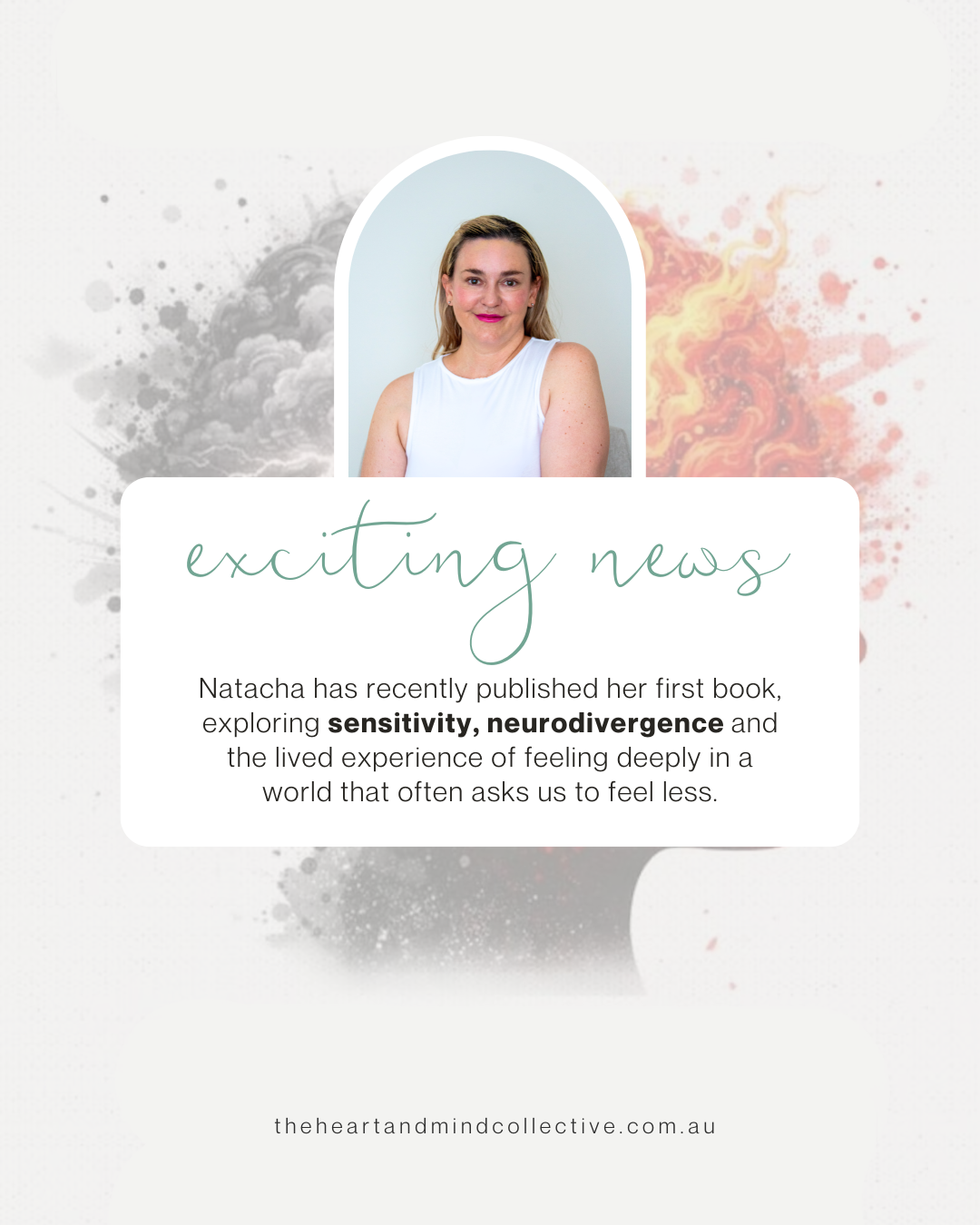
Softness is Your Strength: Celebrating the launch of "The Sensitive Neurodivergent" by Natacha Desille
We are so incredibly proud to share that our Clinical Psychologist, Natacha Desille, has officially published her book, The Sensitive Neurodivergent.

Menopause support for for women on the Central Coast
Navigating menopause can often feel like trying to solve a complex puzzle while the rules of the game are constantly changing. From sleepless nights and physical shifts to the profound impact on mental health and emotional resilience, it’s a transition that touches every part of a woman’s life.